How Often Should You Clean Your Gutters?
Let’s be real—gutter cleaning isn’t anyone’s favorite chore. It’s messy, time-consuming, and usually involves a ladder (which nobody’s thrilled about). But neglecting your gutters can lead to way bigger problems—think water damage, roof rot, and even foundation issues. That’s why one of the most common homeowner questions is: How often should I actually clean my gutters? The answer depends on a few key factors, and we’re about to break it all down in the simplest way possible.
Why Gutter Cleaning Even Matters
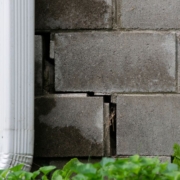
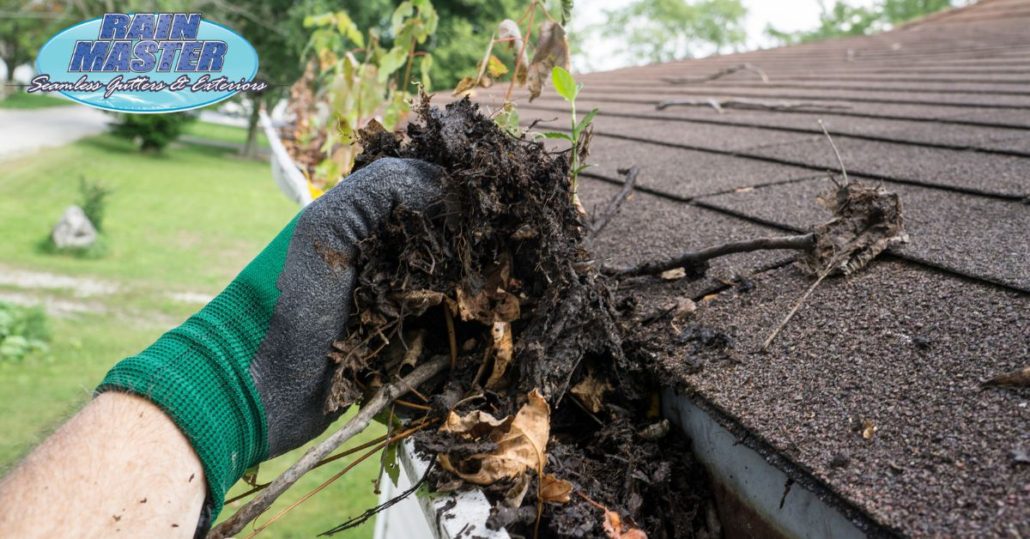
Before diving into the “when,” let’s talk about the “why.” Gutters are designed to catch rainwater from your roof and direct it safely away from your home. When they’re clogged with leaves, sticks, dirt, or even bird nests, they can’t do their job. The water starts to pool or overflow, which can wreak havoc on your siding, roof, basement, and landscaping. Left long enough, that moisture can even compromise the structural integrity of your home.
The Basic Rule: Twice a Year
The general rule of thumb? Clean your gutters at least twice a year—once in the spring and again in the fall. These are the seasons when debris tends to accumulate the most. In spring, you’ve got fallen blossoms, seeds, and twigs. In the fall, it’s leaves, pine needles, and who-knows-what blowing around in the wind.
Doing a spring clean helps prep your gutters for summer thunderstorms, while fall cleaning gets them ready for winter snow and ice. If you follow this schedule religiously, you’ll already be ahead of the game compared to most homeowners.
But Here’s Where It Gets Tricky: Your Environment Matters
Not all homes are created equal. If your house is surrounded by tall trees—especially pine trees that shed needles year-round—you may need to clean your gutters three to four times a year. On the flip side, if you live in a newer neighborhood with fewer trees or in a dry, arid region, you might get by with one good annual cleaning.
Homes near the coast or in storm-prone regions should also consider more frequent cleanings. Salt and sand can build up fast, and heavy rains can turn small clogs into major problems in no time.
 Signs Your Gutters Need Attention—Right Now
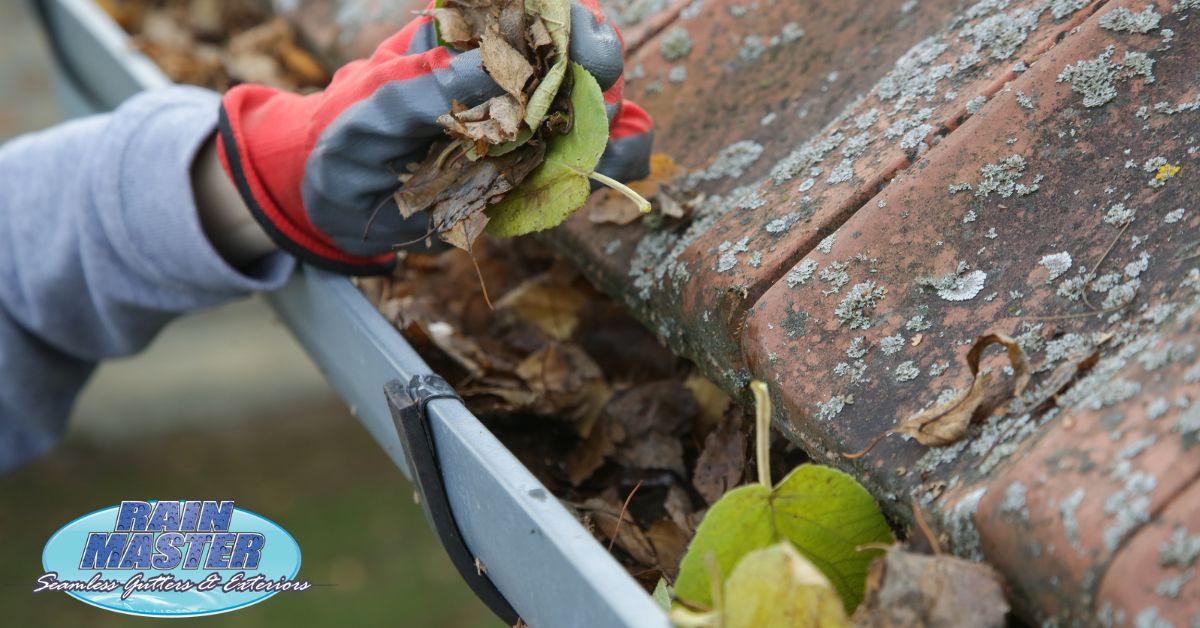 Signs Your Gutters Need Attention—Right Now
Even if you’re on a cleaning schedule, you should always keep an eye out for signs that your gutters are crying for help. If you notice water spilling over the sides during a rainstorm, sagging sections, mildew around your home’s foundation, or even plants growing out of your gutters (yes, that happens), then it’s time for an immediate clean.
And don’t forget to look up occasionally. If birds or insects are congregating around your gutters, they may be nesting in there. That’s a red flag you shouldn’t ignore.
DIY vs. Hiring a Pro: What’s Better?
Sure, you can clean your gutters yourself. All you need is a sturdy ladder, gloves, a garden hose, and a good chunk of free time. But let’s be honest—it’s not the safest or most enjoyable task. There’s also a risk of damaging your gutters if you’re not careful.
Hiring a professional might cost more upfront, but it ensures the job’s done thoroughly and safely. Pros will often inspect your system for damage, which can save you money down the road. If you’re not comfortable on a ladder or don’t have the time, outsourcing this job is a smart move.
What About Gutter Guards?
Gutter guards or covers are marketed as a “set it and forget it” solution—but don’t be fooled. While they definitely help reduce the amount of debris entering your gutters, they’re not maintenance-free. You’ll still need to check and clean them at least once a year to clear out finer debris that can sneak through, like shingle grit or pine needles.
That said, if you live in an area with tons of foliage or just hate cleaning your gutters, installing guards can drastically reduce the frequency of cleanings.
Seasonal Tips for Keeping Gutters Clear
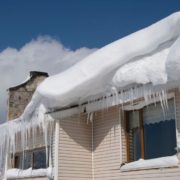
Each season brings its own gutter-related headaches. In winter, ice dams can form if gutters are blocked, which adds extra weight and stress to your roof. Installing heat cables or ensuring gutters are clean before the first freeze can prevent these issues.
In the summer, dry debris can become a fire hazard—especially in wildfire-prone areas. Make sure you remove all dried-out leaves and sticks to reduce risk. Spring and fall are ideal for full clean-outs, but a quick check after any major storm is always a good idea.
How Long Does Gutter Cleaning Take?
Depending on the size of your home and the amount of buildup, gutter cleaning can take anywhere from 30 minutes to several hours. A one-story home with minimal tree cover might be a breeze, while a two-story house with old, neglected gutters could be a full afternoon project. Hiring a pro usually means they’ll be in and out in under two hours, with minimal disruption.
Tools That Make It Easier
If you’re determined to DIY, make sure you have the right gear. Gloves are a must—you’ll be surprised how gross gutter gunk can be. A small scoop or trowel makes removal easier, and a high-pressure nozzle on your garden hose helps flush out remaining debris. For those afraid of heights, there are even gutter cleaning kits that attach to a shop vac or a leaf blower and let you work from the ground.
Common Mistakes to Avoid
Skipping regular maintenance is the number one mistake homeowners make. But using metal tools that can damage the lining, ignoring downspouts (they get clogged too!), or forgetting to check your gutters after storms are also big no-nos. Always ensure your ladder is secure, and don’t lean it directly on the gutters to avoid denting or bending them.
How Clean Gutters Save You Money
 How Clean Gutters Save You Money
Clean gutters help protect some of your home’s most expensive features—your roof, siding, foundation, and even your landscaping. Water damage isn’t just inconvenient; it’s pricey. By spending a little time or money upfront on gutter maintenance, you can avoid thousands in repairs later. Think of it like brushing your teeth: annoying, yes—but totally worth it in the long run.
When to Replace Your Gutters Altogether
Sometimes, cleaning just isn’t enough. If your gutters are rusty, sagging, pulling away from the house, or constantly leaking at the seams, it might be time for a replacement. Seamless gutters, made from aluminum or steel, are more durable and require less maintenance. Combine them with gutter guards and regular cleaning, and you’ve got a system that’ll last for decades.
Wrap-Up: A Little Effort Goes a Long Way
Gutter cleaning may not be glamorous, but it’s absolutely essential for a healthy, damage-free home. The sweet spot for most homeowners is twice a year, but your surroundings and climate might demand more attention. Pay attention to signs of trouble, use the right tools (or professionals), and don’t fall for the myth that gutter guards eliminate the need for cleaning. A little effort now saves a lot of hassle later—and trust us, your house will thank you for it.