Which Gutter Material Performs Best in -20°F Weather?
When temperatures drop below zero in Minnesota, your gutter system faces conditions most homes in the U.S. never experience. In St. Michael and surrounding communities, winter temperatures regularly reach -20°F or colder, and that changes everything about how gutters perform.
The wrong gutter material can crack, separate, sag under snow load, or contribute to ice dam damage. The right one protects your roof, siding, and foundation for decades.
This guide explains exactly which gutter material performs best in cold weather and why Minnesota homeowners should care.
Why Cold Weather Is Hard on Gutters
Gutters don’t just carry rainwater — in Minnesota they must also manage melting snow and freeze‑thaw cycles.
A single winter day can include:
- Snow accumulation
- Partial melting from sunlight
- Overnight refreezing
- Ice expansion inside the gutter trough
Water expands about 9% when it freezes. Inside a gutter channel, that expansion places outward pressure on seams, corners, and fasteners.
Poorly suited materials fail in three main ways:
- Cracking
- Warping
- Fastener pull‑out from ice weight
This is why material choice matters far more in Minnesota than in mild climates.
Comparing Common Gutter Materials in Minnesota Winters
Below is a real‑world comparison of the most common gutter materials installed on homes.
1. Vinyl Gutters (PVC)
Cold Weather Performance: Poor
Vinyl gutters are popular in warmer states because they are inexpensive and easy to install. However, they are the worst option for Minnesota winters.
At sub‑zero temperatures, PVC becomes brittle. Instead of flexing, it snaps.
Common winter failures:
- Cracked troughs
- Broken corners
- Detached sections after snowfall
- Ice expansion splitting seams
Vinyl systems often fail within just a few winters in northern climates. For homes in St. Michael, they are generally not recommended.
2. Aluminum Gutters (Seamless)
Cold Weather Performance: Excellent
Aluminum is the most commonly installed gutter material in Minnesota — and for good reason.
Quality seamless aluminum gutters expand and contract without cracking. When paired with hidden hangers and proper spacing, they handle both temperature swings and snow load very well.
Advantages:
- Will not rust
- Flexible during freeze‑thaw cycles
- Lightweight (reduces fascia stress)
- Affordable compared to steel or copper
- Ideal for seamless fabrication on site
For most homeowners, seamless aluminum is the best overall gutter material for cold weather Minnesota homes.
Recommended specifications:
- .032 gauge aluminum or thicker
- 6‑inch K‑style profile
- 3×4 downspouts
3. Galvanized Steel Gutters
Cold Weather Performance: Very Good
Steel gutters are stronger than aluminum and resist denting from ladders, falling branches, or sliding ice sheets.
However, they have one major weakness: corrosion.
Over time, scratches in the protective coating expose steel to moisture, and rust can begin — especially during freeze‑thaw cycles where water sits longer in troughs.
Pros:
- High strength
- Excellent snow load capacity
- Less bending
Cons:
- Heavier (more stress on fascia)
- Higher installation cost
- Potential rust over years
Steel can perform well in Minnesota, but long‑term maintenance is typically higher than aluminum.
4. Copper Gutters
Cold Weather Performance: Outstanding
Copper gutters are the premium option. They do not rust, become brittle, or degrade in cold temperatures.
Copper also tolerates ice expansion better than most materials due to its durability and natural flexibility.
Benefits:
- 50+ year lifespan
- No corrosion
- Excellent freeze‑thaw durability
- Increased home value and curb appeal
The main drawback is cost. Copper gutters are often 3–5× the price of aluminum systems, making them best suited for custom or high‑end homes.
 The Hidden Factor: Ice and Snow Load
 The Hidden Factor: Ice and Snow Load
In Minnesota, gutters rarely fail from water — they fail from weight.
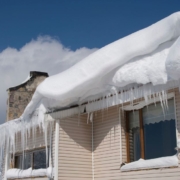
Packed snow and ice can exceed 40 pounds per linear foot along roof edges. Material strength and fastening method matter as much as the material itself.
The most durable winter setup includes:
- Hidden hanger brackets (not spikes)
- Fasteners into rafters or trusses
- Proper slope toward downspouts
- Oversized 6‑inch gutters
- Large 3×4 downspouts
Even the best material fails if installed incorrectly.
Aluminum vs Steel vs Copper: Which Is Best?
For the majority of homes in Wright County and surrounding areas, the practical winner is clear.
Best overall: Seamless aluminum Strongest: Steel Longest lasting: Copper Worst for cold climates: Vinyl
Why aluminum wins for most homes:
- Handles -20°F temperature swings
- Resists corrosion
- Compatible with gutter guards
- Most cost‑effective lifespan
How Material Choice Affects Ice Dams
Gutters do not directly cause ice dams, but they influence how meltwater drains.
Properly sized and installed gutters:
- Move water away faster
- Reduce refreezing at the roof edge
- Minimize water backing under shingles
Adding gutter guards and adequate attic insulation further reduces ice dam risk.
What Rain Master Recommends for St. Michael Homes
Based on Minnesota weather conditions, we typically recommend:
- 6‑inch seamless aluminum gutters
- .032 gauge thickness
- 3×4 downspouts
- Stainless steel micro‑mesh guards
- Downspout drainage extensions
This combination offers the best balance of durability, maintenance, and cost for local homeowners.
Maintenance Tips for Cold Weather Gutters
Even high‑quality gutters benefit from routine inspection.
Homeowners should:
- Check for loose hangers each spring
- Ensure downspouts discharge away from the foundation
- Inspect after heavy snowfall or ice storms
- Schedule professional inspection every 1–2 years
Preventative maintenance is significantly cheaper than repairing fascia, siding, or foundation damage.
FAQ
Can gutters crack from cold weather?
Yes. Vinyl gutters commonly crack in sub‑zero temperatures. Metal gutters generally flex instead of breaking.
Are aluminum gutters strong enough for Minnesota snow?
Yes. When installed with hidden hangers and proper spacing, seamless aluminum gutters perform very well in heavy snow regions.
Do steel gutters last longer than aluminum?
They can be stronger, but rust often shortens their lifespan compared to aluminum in wet freeze‑thaw climates.
Are copper gutters worth the cost?
For long‑term homeowners or custom homes, yes. They can last 50 years or more with minimal deterioration.
Do gutters help prevent ice dams?
They help drainage, but attic insulation and ventilation are the primary factors. Gutters are part of the system, not the sole solution.
About Rain Master Seamless Gutters
Rain Master Seamless Gutters is a locally operated company serving St. Michael, Minnesota and nearby communities. We specialize in seamless gutter installation, gutter guards, and drainage solutions designed specifically for Minnesota winters.
Contact our team for inspections, estimates, or questions about protecting your home from cold‑weather gutter damage.