The March Checklist: Preparing Your Twin Cities Gutters for the Spring Thaw
Winter in Minnesota can be brutal on your home—especially your gutters. As temperatures start to rise in March across the Twin Cities, snow and ice begin to melt, sending large amounts of water rushing through your gutter system.
If your gutters aren’t ready for the spring thaw, that water can overflow, freeze again overnight, or back up into your roofline. In severe cases, this can lead to leaks, foundation issues, and costly repairs.
This March gutter checklist for Twin Cities homeowners will help you ensure your gutter system is ready to handle the seasonal transition from winter to spring.
Why March Gutter Maintenance Matters in Minnesota
Minnesota winters bring heavy snow and repeated freeze-thaw cycles. When snow melts during warmer daytime temperatures and refreezes overnight, it can create ice dams and blockages that prevent proper drainage.
Once the spring thaw begins, all that accumulated snow and ice needs somewhere to go. If your gutters are clogged, damaged, or misaligned, water can:
-
Back up under shingles
-
Overflow near your foundation
-
Damage fascia boards and siding
-
Create dangerous ice patches around your home
Proper gutter maintenance ensures melting snow and rainwater are safely directed away from your home.
The March Gutter Checklist for Twin Cities Homeowners
Follow this step-by-step checklist to make sure your gutters are ready for spring runoff.
1. Remove Winter Debris from Gutters
Winter winds often push twigs, shingle grit, and debris into your gutter system. Even small blockages can stop water from draining properly.
Start by:
- Removing leaves and debris from gutters
- Clearing debris around downspout openings
- Checking for buildup near corners and joints
Clogged gutters are one of the most common causes of water damage because they prevent proper drainage.
If you’re uncomfortable climbing a ladder, consider scheduling a professional cleaning.
2. Check for Ice Dam Damage
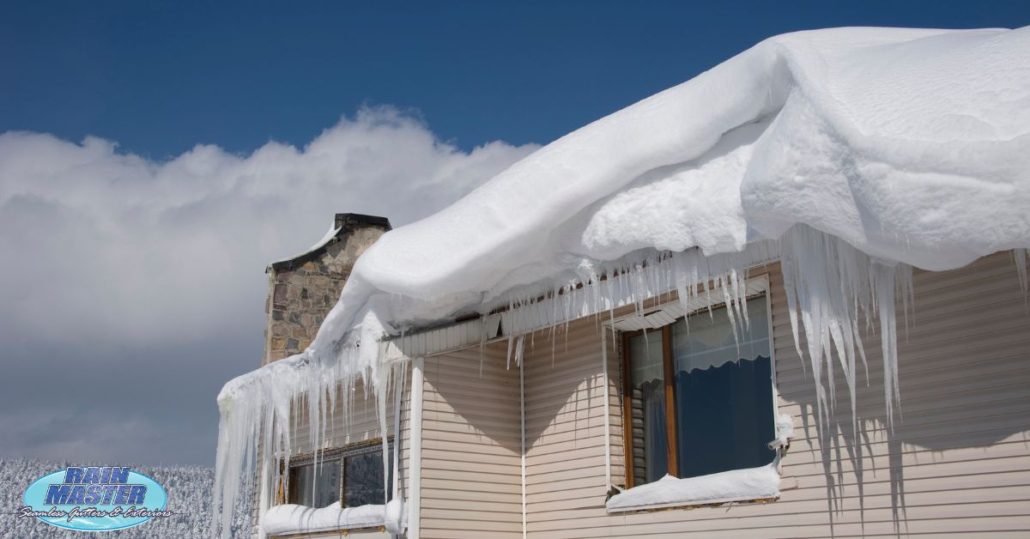
Ice dams are common in Minnesota winters. They occur when melting snow refreezes near the roof edge, trapping water behind it.
During your March inspection, look for:
- Bent or sagging gutters
- Loose brackets or fasteners
- Separated seams
- Water stains on siding
Even minor damage can worsen quickly once heavy spring runoff begins.
3. Flush Your Gutters and Downspouts
After clearing debris, run water through your gutter system with a hose.
This helps you confirm:
- Downspouts are fully open
- Water flows toward the outlets
- No hidden clogs remain
Professional gutter services often perform a full system flush because blockages frequently occur deeper in the downspouts.
4. Ensure Proper Gutter Pitch
Your gutters should have a slight slope toward the downspouts so water drains efficiently.
Signs of improper pitch include:
- Standing water in the gutter channel
- Overflow during rainfall
- Ice buildup in winter
If you notice these issues, the system may need adjustment or re-installation to restore proper drainage.
5. Inspect Downspout Drainage
Downspouts should carry water at least 5–10 feet away from your home’s foundation.
Make sure:
- Downspouts are firmly attached
- Extensions are properly positioned
- Water isn’t pooling near the house
Poor drainage around the foundation can eventually lead to basement leaks or structural issues.
 6. Look for Signs of Wear or Corrosion
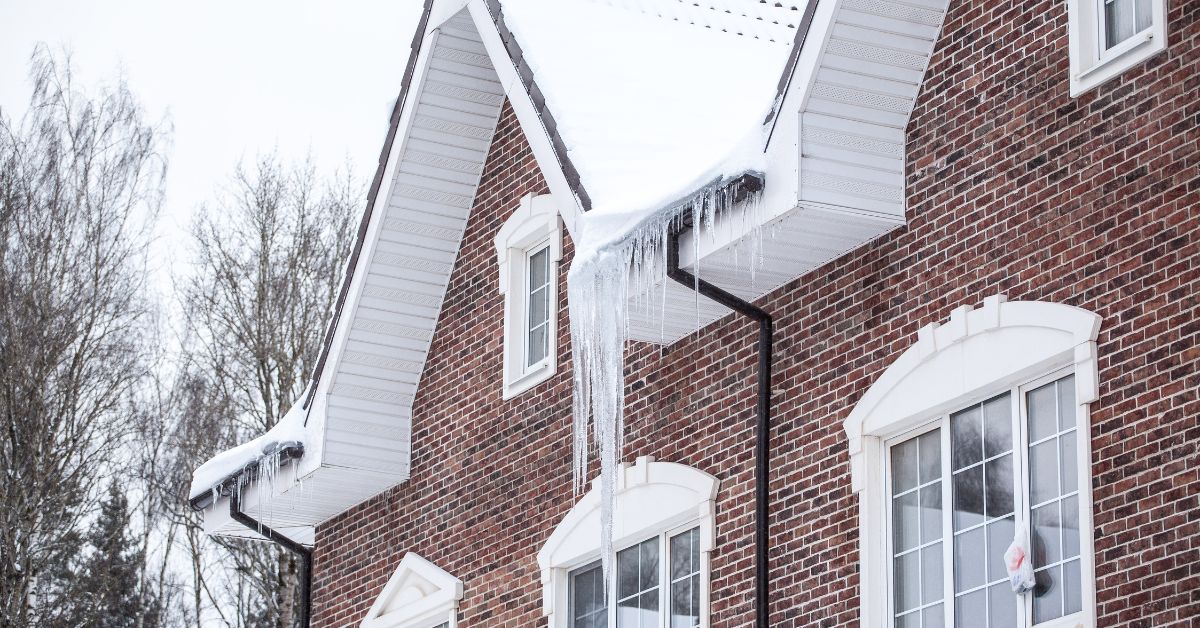 6. Look for Signs of Wear or Corrosion
Minnesota’s freeze-thaw cycles can cause metal gutters to expand and contract repeatedly.
Inspect for:
- Cracks or holes
- Rust or corrosion
- Loose fasteners
- Sections pulling away from the fascia
Addressing these small issues early can prevent much larger repairs later.
7. Consider Installing Gutter Guards
If your home is surrounded by trees, spring cleaning may reveal how quickly debris accumulates in your gutters.
Gutter guards help:
- Block leaves and debris
- Reduce maintenance frequency
- Improve water flow during snowmelt
While not completely maintenance-free, gutter guards significantly reduce clogging and improve year-round gutter performance.
8. Schedule a Professional Gutter Inspection
Even if everything looks good from the ground, hidden problems may still exist.
A professional gutter inspection can identify:
- Improper gutter pitch
- Structural weaknesses
- Hidden clogs or drainage issues
- Areas prone to ice dams
For Twin Cities homeowners, a spring inspection is one of the best ways to ensure your gutter system is ready for heavy rain and snowmelt.
Protect Your Home Before the Spring Thaw
March is the perfect time to prepare your gutters for Minnesota’s unpredictable spring weather. By having performing regular gutter maintenance, you can prevent water damage, foundation problems, and costly repairs later in the season.
If you notice sagging gutters, drainage issues, or winter damage, working with a professional gutter contractor ensures your system is properly repaired or replaced before spring rains arrive.
Frequently Asked Questions
When should gutters be cleaned in Minnesota?
Most experts recommend cleaning gutters at least twice per year—once in the fall and once in the spring. Homes with heavy tree coverage may require more frequent maintenance.
What happens if gutters are clogged during the spring thaw?
Clogged gutters can cause water to overflow, damage siding, leak into the roofline, or pool near the foundation.
How do I know if winter damaged my gutters?
Look for sagging sections, loose fasteners, water stains, or gutters pulling away from the fascia board.
Are gutter guards worth it in Minnesota?
Yes. While they don’t eliminate maintenance entirely, they significantly reduce debris buildup and improve drainage during heavy snowmelt and rain.
Should I repair gutters or replace them?
Small issues like loose fasteners or minor leaks can often be repaired. However, older or heavily damaged systems may benefit from replacement with modern seamless gutters.