Homeowner’s Guide to Preventing Basement Flooding During the Spring Thaw
As the snow melts across St. Michael and the Twin Cities metro, the “Spring Thaw” becomes a critical test for your home’s exterior. In Minnesota, the combination of rapidly melting snow and heavy spring rain can send thousands of gallons of water toward your foundation.
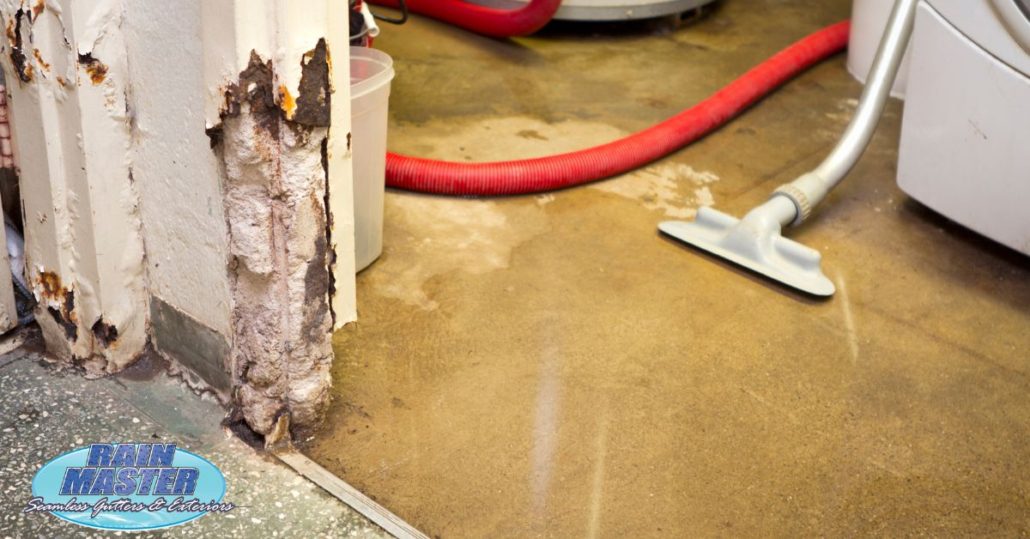
If your drainage system isn’t prepared, that water follows the path of least resistance: straight into your basement. At Rain Master Seamless Gutters, we believe the best way to handle a flood is to prevent it before it starts. Here is your essential guide to staying dry this season.
Why the Spring Thaw is Dangerous for MN Basements
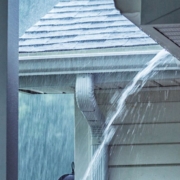
During a typical Minnesota winter, the ground freezes deep. When temperatures rise, the top layer of snow melts, but the ground remains frozen and “impermeable.” Because the soil cannot absorb the water, it becomes surface runoff. If your gutters are clogged or your downspouts are too short, this runoff pools against your foundation walls, creating hydrostatic pressure that forces water through tiny cracks.
3 Critical Steps to Prevent Spring Flooding
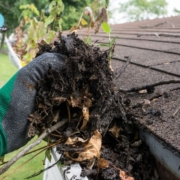
1. Clear Your Gutters of Winter Debris
Ice dams and fallen branches from winter storms often leave gutters packed with debris. If water cannot flow through the gutter, it will spill over the side, landing directly at the base of your home.
-
The Fix: Ensure gutters are clear. Consider upgrading to seamless gutters to reduce the “catch points” where debris typically builds up.
2. Extend Your Downspouts
A common mistake in St. Michael homes is having downspouts that drop water only 1–2 feet from the house. In the spring, this is a recipe for disaster.
-
The Fix: Your downspouts should discharge water at least 6 to 10 feet away from your foundation. Use high-quality extensions to ensure the water reaches a sloped area where it can continue to move away from the structure.
3. Inspect Your Grading
Take a look at the soil and mulch around your home. Over time, the ground can settle, creating a “bowl” effect that traps water against the basement walls.
-
The Fix: Ensure the ground slopes away from your home at a rate of at least one inch per foot for the first six feet.
 Gutter Health vs. Flood Risk
 Gutter Health vs. Flood Risk
| Gutter Condition | Impact on Foundation | Flood Risk Level |
| Clogged/Leaking | Water pools at the basement wall | High |
| Undersized (5-inch) | Overflows during heavy spring rain | Medium |
| Seamless (6-inch) | Channels maximum volume away safely | Low |
FAQ
How does snow on the roof affect my basement?
Snow on your roof acts as a water reservoir. On a sunny 40-degree day, that snow melts and turns into hundreds of gallons of water. If your gutters are frozen or clogged, that water doesn’t go to the street—it drops straight onto your foundation.
Can I install new gutters during the spring thaw?
Yes! Rain Master Seamless Gutters is a year-round business. We can often perform installations and repairs even while the snow is still melting to ensure you are protected before the heavy April rains arrive.
Why are seamless gutters better for flood prevention?
Traditional gutters have seams every 10–20 feet. These seams are weak points that eventually leak. Seamless gutters are custom-fabricated from 32-gauge aluminum on-site to fit your home perfectly, meaning there are no leaks to worry about near your foundation.
Should I check my sump pump?
Absolutely. While we specialize in gutters, we always remind St. Michael homeowners to test their sump pumps in March. Pour a bucket of water into the pit to ensure the pump triggers and effectively moves the water out.
Protect Your Home with Rain Master
Don’t wait for a puddle in the basement to take action. Rain Master Seamless Gutters offers custom-designed systems with a 100% Lifetime Warranty on labor and materials. We’ve helped thousands of homeowners in St. Michael, Albertville, and the Twin Cities metro protect their greatest investment.