Residential Gutter Installation: A Guide for Homeowners
Gutters might not be the first thing on your mind when it comes to home improvement, but they play a vital role in protecting your house from water damage. Proper gutter installation ensures that rainwater is channeled away from your roof and foundation, preventing potential issues like leaks, erosion, and structural damage. This guide will walk you through everything you need to know about residential gutter installation, from understanding the different types of gutters to maintaining them properly.
Understanding Gutters
Gutters are essential components of a home’s exterior, designed to capture and redirect rainwater away from the structure. Without gutters, water can run off the roof and cause damage to siding, foundation, and landscaping.
There are several types of gutters available, each with its own unique characteristics. K-style gutters are the most common type, known for their efficiency and modern appearance. Half-round gutters, often found on older homes, have a classic look but may struggle with large amounts of water. Box gutters, built into the roofline, are less visible but can be more complex and costly to install. Gutters are typically made from aluminum, copper, vinyl, or steel, each offering its own advantages and disadvantages in terms of cost, durability, and appearance.
Why Proper Gutter Installation Matters
Properly installed gutters are essential for protecting your home’s exterior, foundation, and landscaping from water damage. By effectively directing rainwater away from your home, gutters help prevent costly repairs to siding, trim, and foundation. Additionally, gutters help maintain the health and appearance of your landscaping by preventing erosion and damage to garden beds. Investing in a well-installed gutter system is a wise choice for preserving your home’s value and beauty.
 Preparing for Gutter Installation
 Preparing for Gutter Installation
Before installing new gutters, carefully assess your home’s needs to ensure you select the most suitable system. Consider the size of your home, local climate, and rainfall patterns to determine the appropriate gutter size and type. Accurate measurements of your roofline are essential for a successful installation, accounting for corners and downspouts. Choose a gutter system that complements your home’s design and style, taking into account factors such as material, size, color, and overall aesthetic.
Tools and Materials Needed
To successfully install gutters, gather the necessary tools and materials. A sturdy ladder, measuring tape, drill, level, hacksaw or tin snips, gutter sections, hangers, downspouts, elbows, connectors, and sealant are essential components. Don’t forget to prioritize safety by wearing safety glasses, gloves, and non-slip shoes to prevent accidents and injuries during the installation process.
Step-by-Step Installation Process
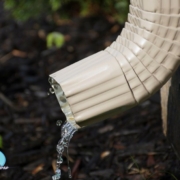
When replacing old gutters, begin by carefully removing them, taking necessary safety precautions to avoid accidents. After removing any debris from the roofline and inspecting for damage, install gutter hangers at regular intervals, ensuring they are level and evenly spaced to provide proper support. Connect the gutter sections to the hangers, ensuring they are level and have a slight slope towards the downspouts. Seal the joints to prevent leaks. Finally, install downspouts to direct water away from the foundation, securing them to the gutters and aligning them properly to handle water flow effectively.
Maintenance Tips
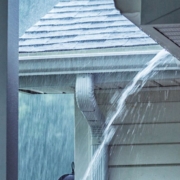
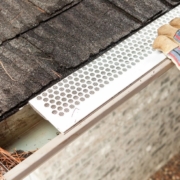
To maintain the efficiency and longevity of your gutter system, it’s essential to prioritize regular maintenance. Clean your gutters at least twice a year to remove debris that can cause clogs and impede water flow. Additionally, conduct regular inspections to identify and address any signs of damage, such as sagging, leaks, or rust. By promptly addressing these issues, you can prevent further problems and ensure that your gutters continue to function effectively. Finally, verify that water flows freely through your gutters and downspouts, ensuring that it is directed away from your foundation to avoid erosion or pooling.
Hiring a Professional vs. DIY Installation
 Hiring a Professional vs. DIY Installation
When deciding whether to install gutters yourself or hire a professional, consider the benefits and drawbacks of each option. While DIY installation can be a cost-effective choice for those with the necessary skills and tools, professionals offer the expertise and experience to ensure proper installation, handling unexpected issues with ease. Additionally, professional installation often comes with a guarantee of quality, providing peace of mind. Before making a decision, compare the costs of both options, taking into account the complexity of the job, your skill level, and the potential risks associated with DIY installation.
Your Gutter Installation Checklist
Proper gutter installation is essential for protecting your home from water damage and maintaining its structural integrity. By understanding the different types of gutters, preparing for installation, and performing regular maintenance, you can ensure that your gutter system functions effectively and lasts for many years. Whether you choose to handle the installation yourself or hire a professional, investing in a quality gutter system is a smart move for any homeowner.