How Clogged Gutters Invite Ants, Wasps, and Pests Near Your Minnesota Roofline
When a homeowner overlooks gutter maintenance, they usually worry about basement flooding or stained siding. While those structural threats are real, clogged gutters trigger another expensive headache much closer to your roof: pest infestations.
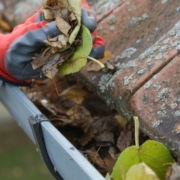
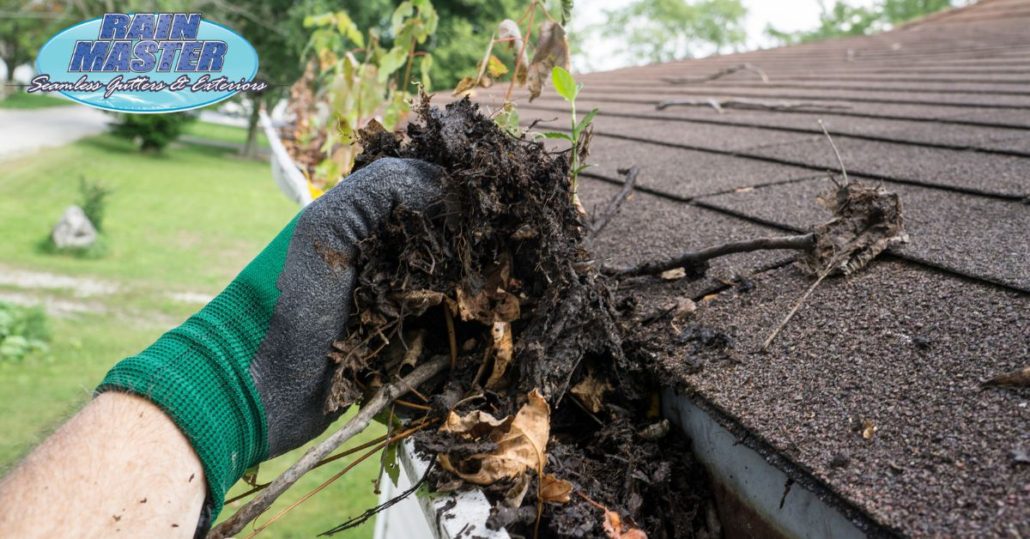
During spring and summer, the leaves, twigs, and pine needles clogging your gutters decay into a thick, organic sludge. To a variety of pests, this damp mixture is a five-star resort.
Understanding exactly how clogged gutters attract destructive insects helps you protect your Minnesota home before pests breach your roofline.
1. The Pest Paradise: Stagnant Water and Rotting Organic Matter
Gutters clog when debris blocks the natural flow of water to the downspouts. This creates pockets of stagnant water along your roofline—the ultimate breeding ground for local pests.
- Mosquitoes: A female mosquito only needs a fraction of an inch of standing water to lay hundreds of eggs. Clogged gutters easily fuel an explosion of mosquitoes right next to your upstairs windows and bedrooms.
- Flies and Gnats: The fermenting organic matter provides endless food for larvae, generating annoying swarms around your outdoor living spaces.
2. Carpenter Ants and the Moisture Connection
Minnesota homes face a constant threat from carpenter ants. Unlike termites, carpenter ants do not eat wood for food; instead, they chew through it to build vast nesting galleries.
The Trap: Carpenter ants target softened, moisture-compromised wood.
When debris forces water to overflow the back of your gutter, that moisture seeps directly into your fascia boards, roof decking, and rafter tails. This wood rot sends out a chemical beacon to scout ants. Once they establish a satellite colony in your damp roofline, they quickly chew their way into your home’s structural framing.
3. Wasps and Hornets: Seeking High, Sheltered Real Estate
Wasps, yellowjackets, and hornets actively hunt for secure, elevated structures to build their nests. A clogged gutter offers them a perfect storm of resources.
As the image shows, the underside of a gutter lip or a debris-packed internal hanger provides structural protection from the wind and rain. Furthermore, because clogged gutters attract an abundance of smaller insects, predatory wasps enjoy an immediate, built-in food supply right outside their front door.
Discovering a massive stinging insect nest when you finally climb a ladder to clear a blockage adds an immediate safety hazard to basic home maintenance.
Breaking the Cycle: How Rain Master Protects Your Home
Relying on temporary fixes or cleaning your gutters by hand multiple times a year is a grueling cycle. The most effective way to eliminate these nesting grounds is to stop debris from settling in the first place.
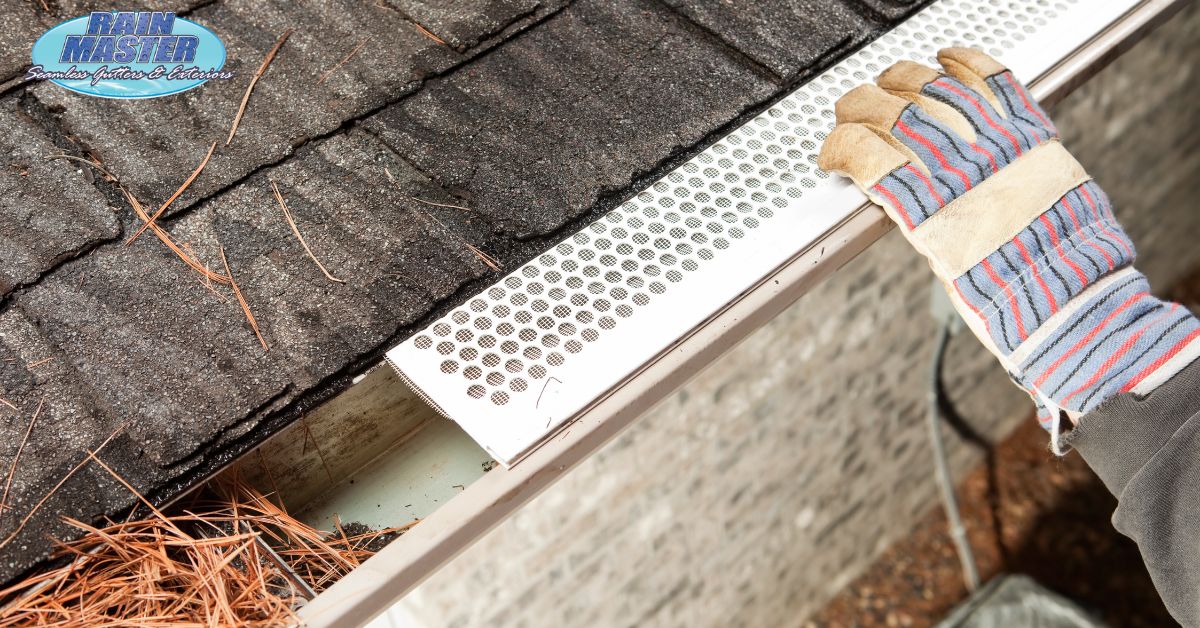
At Rain Master, we install premium, heavy-duty seamless gutters paired with advanced gutter guard protection systems. Our systems keep leaves, seed pods, and pine needles out of your troughs completely, ensuring rainwater flows freely while denying pests the damp, sheltered environments they crave.
 Frequently Asked Questions
 Frequently Asked Questions
Can clogged gutters cause pest problems inside my attic?
Yes. When overflowing water rots the fascia board or roof decking behind the gutter, it creates soft spots and physical gaps. Pests like carpenter ants, mice, and squirrels easily chew through this weakened wood to access your warm attic space.
Will clearing my gutters instantly solve a wasp or ant issue?
Cleaning your gutters removes the primary attractant (moisture and nesting material), but it may not eliminate an active infestation. If ants or wasps have already migrated into your roof framing or attic, you may need a pest control treatment alongside a thorough gutter cleaning or replacement.
Do gutter guards completely prevent pests from nesting?
High-quality, professionally installed micro-mesh gutter guards prevent leaves and large debris from entering the trough. Without a food source and decomposing organic material, mosquitoes cannot breed, and roaches or ants lose their habitat, drastically reducing pest activity near your roofline.