5 Signs Your Foundation is at Risk from Overflowing Gutters
In Minnesota, our homes endure a brutal cycle of heavy spring rains and rapid winter thaws. While most homeowners focus on roof leaks, the most expensive damage often happens underground. At Rain Master Seamless Gutters, we’ve seen how poorly managed water can compromise even the sturdiest foundations in the Twin Cities.
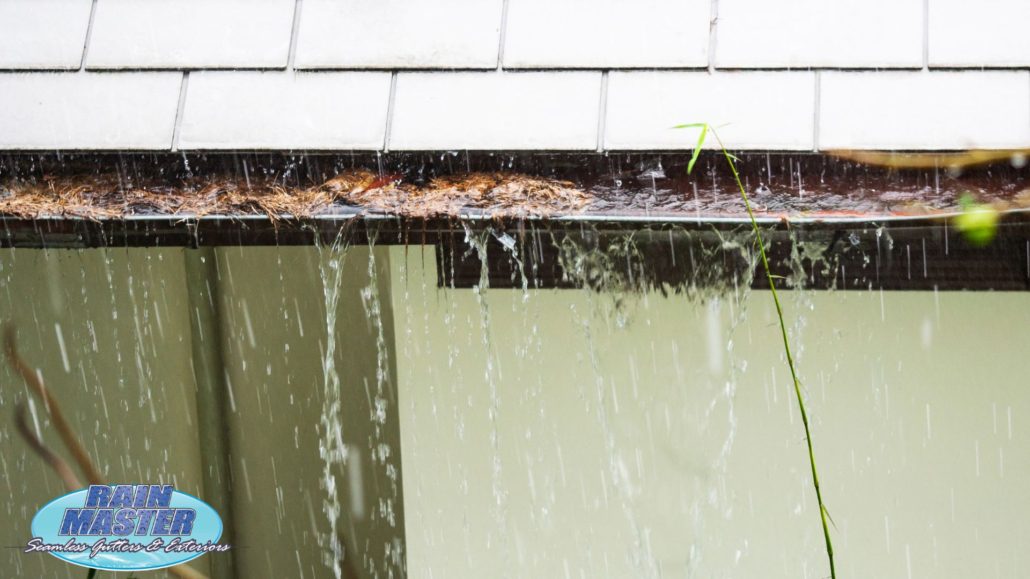
If your gutters are clogged, undersized, or leaking, they are dumping hundreds of gallons of water directly against your foundation walls. Here are the five warning signs you shouldn’t ignore in 2026.
1. Hairline Cracks in Basement Walls
Small, stair-step cracks in your foundation blocks or vertical cracks in poured concrete are the first signs of hydrostatic pressure. When overflowing gutters saturate the soil, the water exerts immense pressure against your walls. Over time, this pressure causes the concrete to bow and crack.
2. Windows and Doors that Stick
When the soil around your home becomes oversaturated due to gutter failure, it can cause the foundation to shift or settle unevenly. If you notice that your front door is suddenly sticking or a basement window won’t latch, it’s often a sign that the “footing” of your home is moving due to excess water.
3. Peeling Paint or “Efflorescence”
Have you noticed a white, powdery substance on your basement brick or concrete? That is efflorescence—salt deposits left behind by evaporating water. This, along with peeling paint or damp drywall, indicates that water is seeping through the porous foundation because your gutters aren’t directing it far enough away from the house.
4. Soil Erosion and “Trenches”
Take a walk around your perimeter after a Minnesota rainstorm. Do you see “trenches” carved into your mulch or grass directly under the gutters? This is a clear sign of gutter overflow. This erosion destroys your landscaping and creates a “funnel” effect, guiding water straight down to your foundation.
 5. Persistent Musty Odors
 5. Persistent Musty Odors
A “basement smell” isn’t just a quirk of old MN homes; it’s often a sign of mold or mildew thriving in damp foundation gaps. If your gutters are failing, the high humidity levels in your crawlspace or basement are likely being fueled by water pooling outside your walls.
How Rain Master Protects Your Foundation
To prevent these costly repairs, we recommend a three-tier approach:
- Seamless Fabrication: Eliminate leaks at the joints that drip water onto the foundation.
- Oversized Downspouts: Ensure water is moved away fast enough to prevent “back-up” overflow.
- Professional Extensions: We ensure water is discharged at least 5–10 feet away from the foundation line.
FAQ
How far should gutters move water away from the house?
For Minnesota homes, we recommend downspout extensions that discharge water at least 5 to 10 feet away from the foundation. In areas with clay-heavy soil, longer extensions may be necessary to prevent “pooling.”
Can overflowing gutters cause basement flooding?
Yes. In fact, overflowing gutters are the #1 cause of basement moisture issues. When water pools near the foundation, it finds the path of least resistance through cracks or window wells.
How often should I clean my gutters to protect my foundation?
If you don’t have gutter guards, you should clean them at least twice a year—once in late spring and once in late fall. However, high-quality seamless gutters paired with guards can eliminate this need entirely.
Does homeowners insurance cover foundation damage from gutters?
Typically, insurance does not cover “gradual” damage caused by poor maintenance, such as clogged gutters. This makes proactive gutter repair a critical investment in your home’s long-term value.